Emergency boiler repairs can disrupt building operations, inconvenience tenants, and result in costly expenses. For property managers, facility operators, and homeowners, preventing unexpected breakdowns is a priority that requires a proactive approach to maintenance and system monitoring. Boilers are complex systems that rely on a combination of mechanical components, fuel supply, and water chemistry to operate efficiently and safely. Neglecting routine care can lead to pressure fluctuations, ignition failures, leaks, and other critical issues that require immediate attention. By implementing strategies that prioritize scheduled maintenance, early detection of potential problems, and collaboration with a trusted service provider, building operators can minimize the likelihood of emergency repairs and maintain reliable heating performance throughout the year.
Scheduled Maintenance Importance
Routine maintenance is the cornerstone of avoiding emergency boiler issues. Regular inspections allow technicians to evaluate the condition of burners, pumps, valves, pressure relief devices, and other critical components. By adhering to a maintenance schedule recommended by the manufacturer or a licensed service provider, operators can identify wear and tear before it escalates into a system failure. Maintenance tasks often include cleaning combustion chambers, checking water levels, inspecting safety devices, and testing fuel delivery and control systems. In addition to prolonging equipment life, scheduled maintenance improves energy efficiency by ensuring optimal heat transfer and consistent combustion. For highrise and commercial buildings, maintaining a strict schedule is essential, as even minor malfunctions in a single system can have a cascading effect, affecting multiple areas or tenants.
Early Detection Techniques
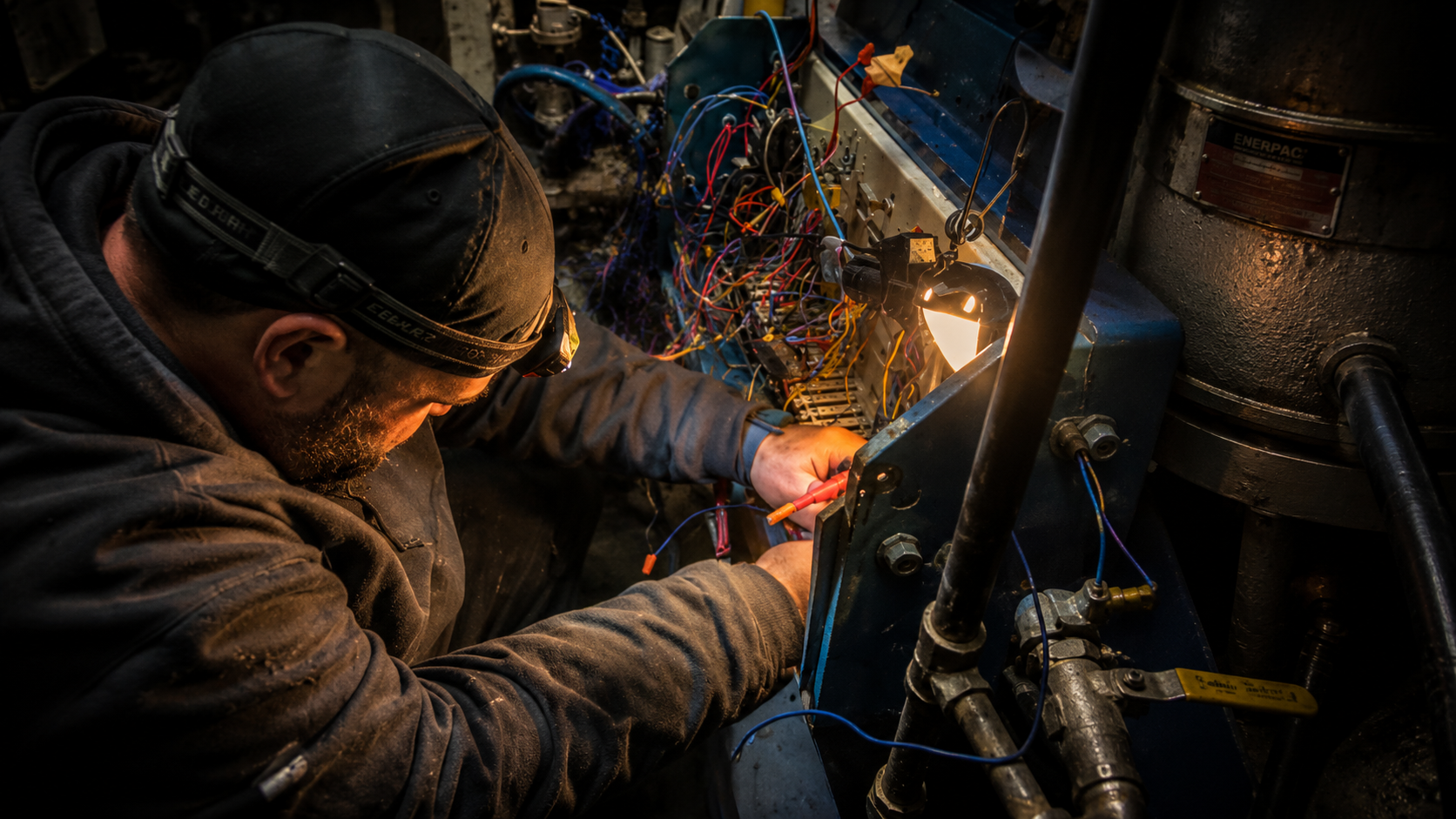
Identifying potential problems before they become emergencies is a key component of effective boiler management. Early detection techniques include monitoring system pressure, water temperature, and operational performance on a regular basis. Unusual noises, irregular flame patterns, and fluctuating heating output can signal developing issues. Technicians often use diagnostic tools, such as combustion analyzers and electronic sensors, to detect inefficiencies, leaks, or mechanical wear. Implementing monitoring routines allows building operators to address minor issues proactively, reducing the likelihood of a sudden shutdown. Training maintenance staff or facility managers to recognize visual or auditory warning signs further enhances early detection efforts, creating an environment where potential failures are caught and corrected before they require emergency intervention.
Choosing a Reliable Service Provider
Selecting a qualified and dependable service provider is essential for preventing emergency boiler repairs. Experienced technicians bring specialized knowledge, proper tools, and industry best practices to every service call. They can provide preventative maintenance, identify hidden issues, and offer guidance on system upgrades or water treatment practices. Working with a provider who responds promptly to service requests ensures that minor issues are addressed before escalating into major problems. Additionally, maintaining a relationship with a trusted provider offers access to documentation and historical maintenance records, which can streamline future inspections and compliance reporting. Reliability, expertise, and accountability in a service partner are invaluable assets for building operators seeking to minimize disruptions and maximize system performance.
Avoiding emergency boiler repairs requires a combination of proactive maintenance, attentive monitoring, and collaboration with trusted professionals. Scheduled maintenance ensures that components function correctly and efficiently, reducing wear and extending the lifespan of the system. Early detection techniques allow operators to identify minor issues before they escalate, preventing downtime and costly interventions. Choosing a reliable service provider guarantees that technical expertise and timely support are always available, creating a foundation for safe and uninterrupted heating operations. Together, these strategies form a comprehensive approach that safeguards boilers, protects occupants, and maintains energy-efficient performance.
Investing in preventative measures not only reduces the risk of emergencies but also provides financial and operational benefits. Consistent attention to maintenance, monitoring, and professional service minimizes unexpected expenses, enhances energy efficiency, and improves overall system reliability. For property managers and building owners, avoiding emergency repairs is more than a convenience; it is a practical necessity that ensures tenant satisfaction, protects infrastructure, and preserves the long-term value of the heating system. By embracing a proactive mindset and implementing these strategies, operators can confidently maintain their boilers, providing reliable heat, consistent comfort, and operational peace of mind throughout the property.
No responses yet