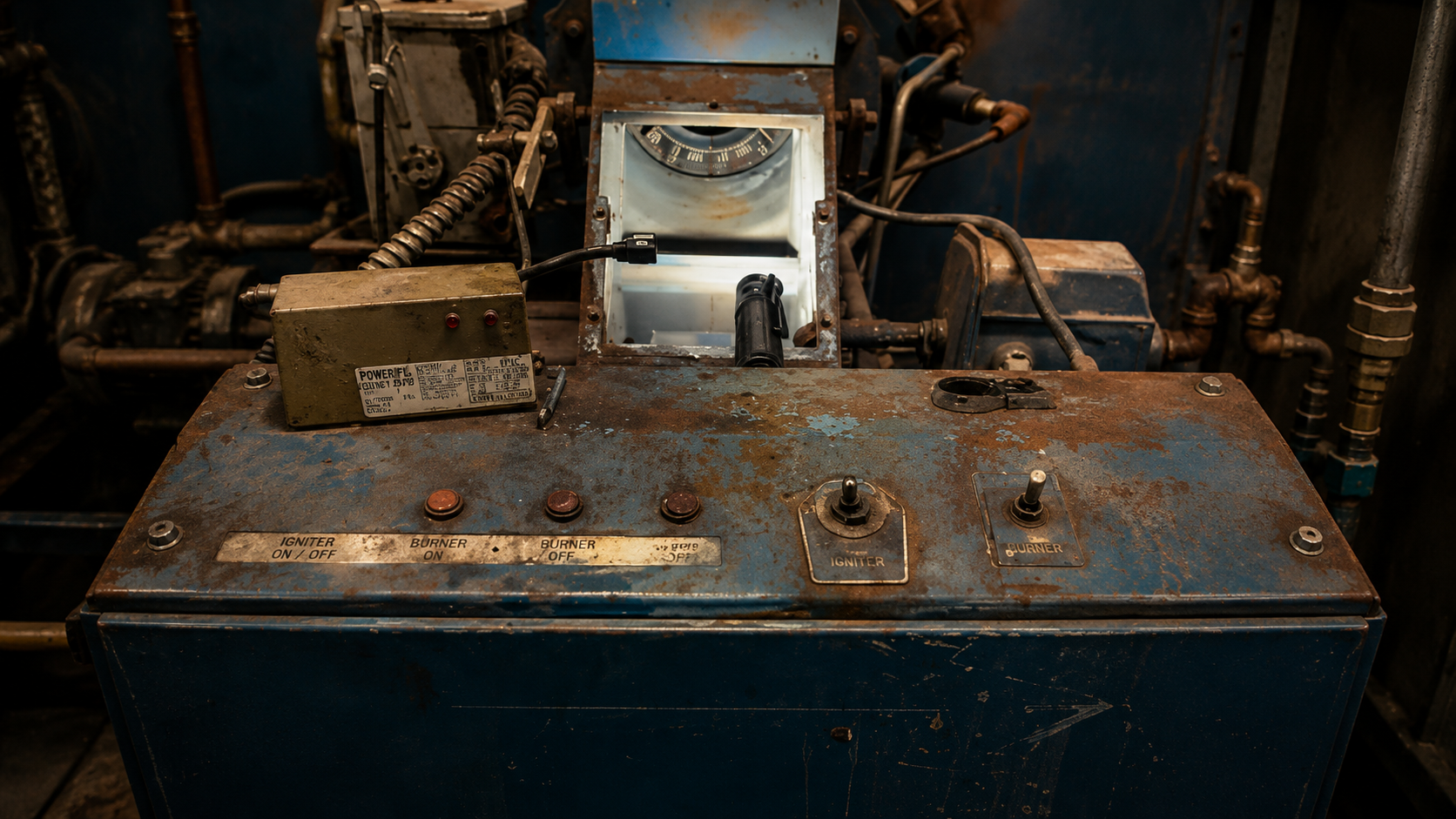
Safety devices are essential components of any boiler system, protecting both property and occupants from hazards associated with high-pressure steam, hot water, and fuel combustion. Understanding how these devices function, recognizing their importance, and performing routine inspections are critical responsibilities for building owners, property managers, and facility operators. Neglecting safety devices can result in dangerous conditions, equipment damage, or even legal and regulatory consequences. By focusing on key safety mechanisms such as low water cutoffs, pressure and temperature relief valves, and regular system inspections, owners can maintain safe, efficient, and reliable boiler operation throughout the year.
Low Water CutOffs
Low water cutoffs are crucial for preventing boilers from operating without sufficient water, which can lead to overheating, boiler damage, or catastrophic failure. These devices monitor water levels within the boiler and automatically shut down the system if levels fall below safe thresholds. Both mechanical and probestyle cutoffs are commonly used, each requiring proper inspection and maintenance. Regular testing ensures that sensors respond accurately, valves operate as designed, and no blockages or corrosion interfere with performance. Building operators must follow manufacturer guidelines for flushing and testing these devices to maintain reliable operation. Low water cutoffs are a first line of defense against dangerous boiler conditions, and ensuring their functionality is a critical safety priority.
Pressure and Temperature Relief Valves
Pressure and temperature relief valves protect boilers from excessive pressure buildup or dangerously high temperatures. These valves are designed to release steam or water automatically if the system exceeds safe operating limits, preventing potential explosions or mechanical failures. Regular inspection and testing are essential to confirm that these valves are not obstructed, corroded, or stuck. In addition, ensuring proper installation, correct sizing, and calibration according to manufacturer specifications is vital for reliable performance. Malfunctioning relief valves can compromise the entire boiler system, putting both the equipment and occupants at risk. Understanding how these devices function and maintaining them properly is an integral part of any comprehensive boiler safety program.
Safety Checks and Inspections
Routine safety checks and inspections are critical to ensure that all protective devices in a boiler system are functioning correctly. Licensed technicians should verify the operation of low water cutoffs, pressure relief valves, temperature controls, and other essential safety mechanisms. These inspections often include visual assessments, functional testing, and performance measurements to detect early signs of wear, corrosion, or mechanical issues. Maintaining detailed records of these inspections provides proof of due diligence and compliance with local codes and regulations. Proactive monitoring and timely repairs prevent unexpected shutdowns, improve system efficiency, and maintain a safe operating environment for both equipment and building occupants.
Safety devices are the cornerstone of reliable boiler operation and responsible property management. By understanding the roles of low water cutoffs, pressure and temperature relief valves, and performing regular safety inspections, building owners and managers can minimize risks and ensure that heating systems operate efficiently and safely. Proactive maintenance and professional oversight reduce the likelihood of equipment failure, costly repairs, and dangerous incidents. Ensuring that safety devices are functioning correctly not only protects the boiler system but also safeguards tenants, employees, and visitors, reinforcing a culture of safety and compliance within the property.
Maintaining and monitoring boiler safety devices should be considered a priority throughout the heating season and beyond. Consistent attention to inspections, functional testing, and documentation helps extend the life of critical equipment while supporting regulatory compliance and energy efficiency goals. By collaborating with experienced technicians and adhering to best practices, property managers can confidently operate their heating systems, knowing that safety mechanisms will respond effectively in emergencies. Understanding and prioritizing these devices ensures peace of mind, consistent performance, and a safer, more reliable heating environment for any residential, commercial, or highrise building.
No responses yet