Emergencies can disrupt building operations, compromise safety, and lead to costly repairs. In residential, commercial, and highrise buildings, the reliability of heating systems is essential for occupant comfort, operational continuity, and regulatory compliance. Professional technicians play a pivotal role in preventing these emergencies by combining experience, specialized knowledge, and systematic maintenance practices. Through routine inspections, early issue detection, and strict adherence to safety and compliance standards, skilled professionals ensure that boilers operate efficiently and safely throughout the year. Understanding their preventive strategies highlights why expert involvement is essential for any property manager or building owner.
Routine Inspections
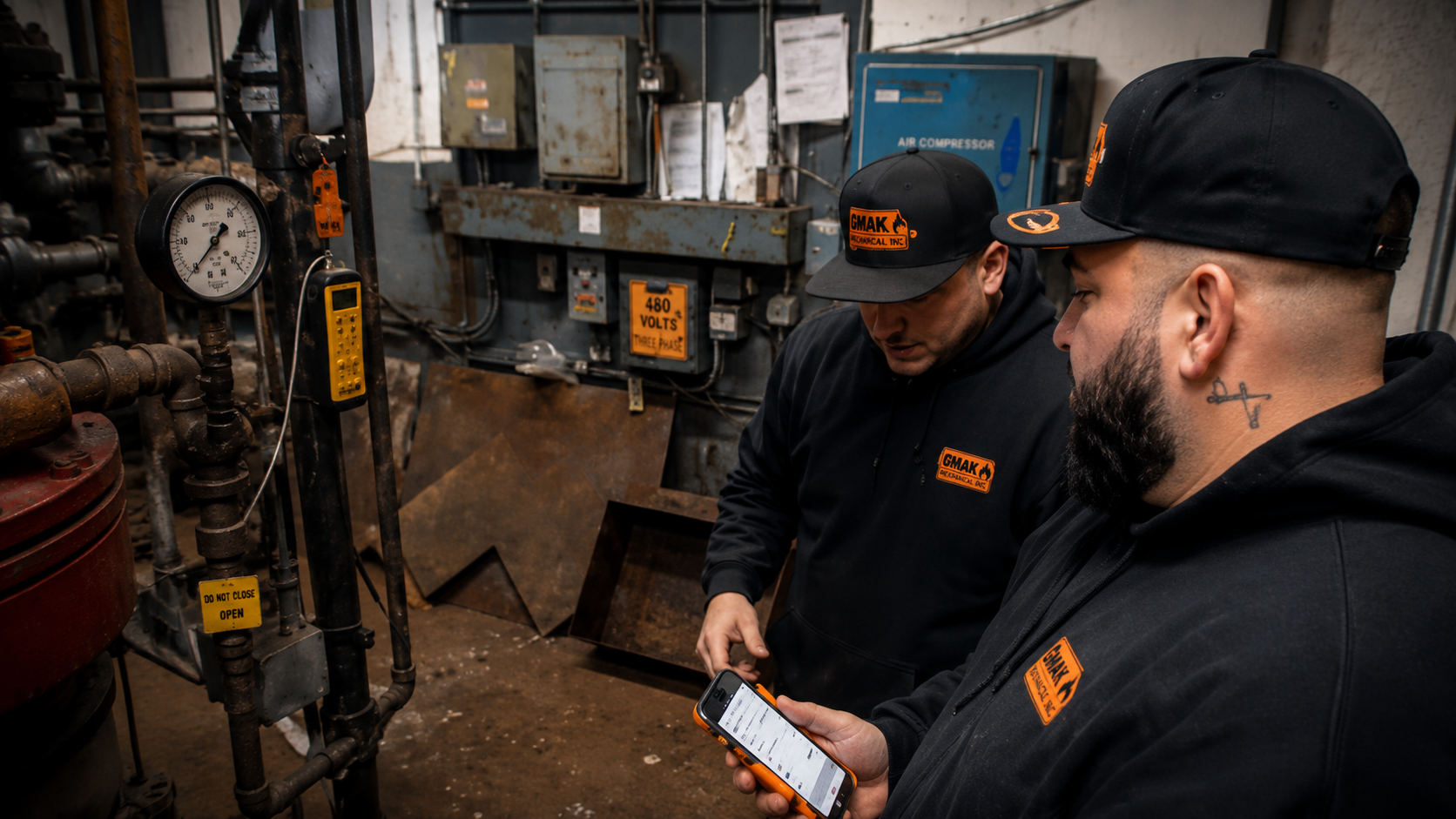
Routine inspections form the foundation of emergency prevention in boiler systems. Professional technicians evaluate every critical component, from burners and combustion chambers to valves, pumps, and waterlevel devices. During inspections, technicians verify that all mechanical and electrical systems are functioning properly, checking for signs of wear, corrosion, or damage. Regularly scheduled inspections allow problems to be identified before they escalate into system failures, ensuring uninterrupted heating and hot water supply. These preventive measures also maintain boiler efficiency, reduce fuel consumption, and prolong equipment life. Technicians document their findings and provide actionable recommendations, creating a clear record of system health that guides future maintenance decisions.
Early Issue Detection
Detecting issues early is a critical aspect of preventing boiler emergencies. Technicians are trained to recognize subtle warning signs, such as unusual noises, fluctuating pressures, inconsistent heat delivery, or abnormal fuel consumption. By using diagnostic tools and monitoring system parameters, they can identify minor malfunctions that, if ignored, could result in catastrophic failures. Early detection extends beyond mechanical problems, encompassing water quality, corrosion buildup, and chemical imbalances that affect combustion and heat transfer. Acting promptly on these early indicators prevents expensive repairs, reduces unplanned downtime, and safeguards the building’s heating infrastructure. Property managers benefit from the peace of mind that comes from knowing potential issues are addressed before they become emergencies.
Safety and Compliance
Boiler systems in New York City are subject to stringent safety and compliance regulations, and professional technicians ensure that every system meets these requirements. Technicians verify that all safety devices, including low water cutoffs, pressure relief valves, and temperature controls, are operating correctly. They confirm that combustion levels, emissions, and fuel systems comply with Department of Environmental Protection and Department of Buildings standards. Properly maintained safety systems prevent accidents, such as leaks, explosions, or carbon monoxide exposure. Compliance inspections conducted by professionals also protect building owners from legal penalties and support operational continuity. By integrating safety and regulatory requirements into their maintenance approach, technicians ensure that boilers function reliably while maintaining the highest standards of occupant protection and environmental responsibility.
Comprehensive Maintenance Strategies
Beyond inspections, early detection, and compliance, professional technicians employ comprehensive maintenance strategies to prevent emergencies. These strategies include routine cleaning of burners, heat exchangers, and fans to remove soot, scale, and debris that impede efficiency. Water treatment programs are implemented to prevent corrosion and scale formation, preserving boiler integrity. Components such as pumps, valves, and linkages are regularly calibrated and tested to maintain optimal performance. Technicians also provide training and guidance to building staff, helping operators recognize signs of trouble and respond appropriately. This holistic approach not only prevents emergencies but also enhances energy efficiency, reduces operating costs, and prolongs the lifespan of boiler equipment.
Building Reliability Through Expertise
Preventing boiler emergencies requires more than reactive maintenanceit demands proactive management, technical expertise, and a systematic approach to every system component. Professional technicians bring this expertise, ensuring that inspections are thorough, issues are detected early, and safety standards are rigorously maintained. Their interventions allow building operators to focus on other priorities while having confidence that heating systems will perform reliably throughout the season. With preventive attention from skilled professionals, boilers remain safe, efficient, and compliant, minimizing disruptions and creating a stable environment for occupants and operations.
Professional technicians are essential partners in safeguarding boiler systems from emergencies. Through routine inspections, early issue detection, and adherence to strict safety and compliance standards, they provide comprehensive protection against unexpected failures. Buildings that invest in professional maintenance enjoy improved reliability, energy efficiency, and longevity of their heating equipment. Preventive strategies not only protect property investments but also ensure consistent comfort and safety for all occupants. By prioritizing expert attention, building managers can avoid costly disruptions, reduce risks, and maintain a well-functioning boiler system year-round, making emergency incidents far less likely and operational performance more predictable.
No responses yet