Low water cutoffs are vital safety devices in any boiler system, designed to prevent damage caused by insufficient water levels. In New York City highrise buildings, multifamily homes, and commercial properties, boilers operate under significant pressure and heat. Without properly functioning low water cutoffs, a boiler can overheat, warp, or even explode, putting both property and lives at risk. Regular inspections of these devices are essential to ensure that boilers remain safe and operational. GMAK Industrial Burner Services emphasizes the importance of scheduled inspections, proper maintenance, and proactive replacement when needed. By understanding how low water cutoffs function, following recommended inspection procedures, and recognizing the consequences of neglect, property managers can safeguard their heating systems, tenants, and investment in the building infrastructure. Proper care of these devices also improves the overall efficiency and reliability of the entire boiler system, contributing to lower energy costs and fewer emergency repairs.
How Low Water CutOffs Protect Boilers
Low water cutoffs serve as a safety mechanism that automatically shuts down a boiler when water levels drop below a safe threshold. Boilers rely on water to transfer heat and prevent overheating of metal components. When water levels fall too low, the heat generated by the burner can cause the boiler to overheat, leading to significant damage or catastrophic failure. These devices ensure that boilers operate safely under all conditions by detecting unsafe water levels and triggering automatic shutdowns. GMAK Industrial Burner Services stresses that understanding the protective role of low water cutoffs is critical for property managers. Properly functioning cutoffs not only prevent mechanical damage but also protect tenants and staff from the dangers associated with boiler failures. Regular testing of these devices is a simple yet essential step in maintaining safe building operations, and it provides peace of mind to owners and managers alike.
Inspection and Maintenance Procedures
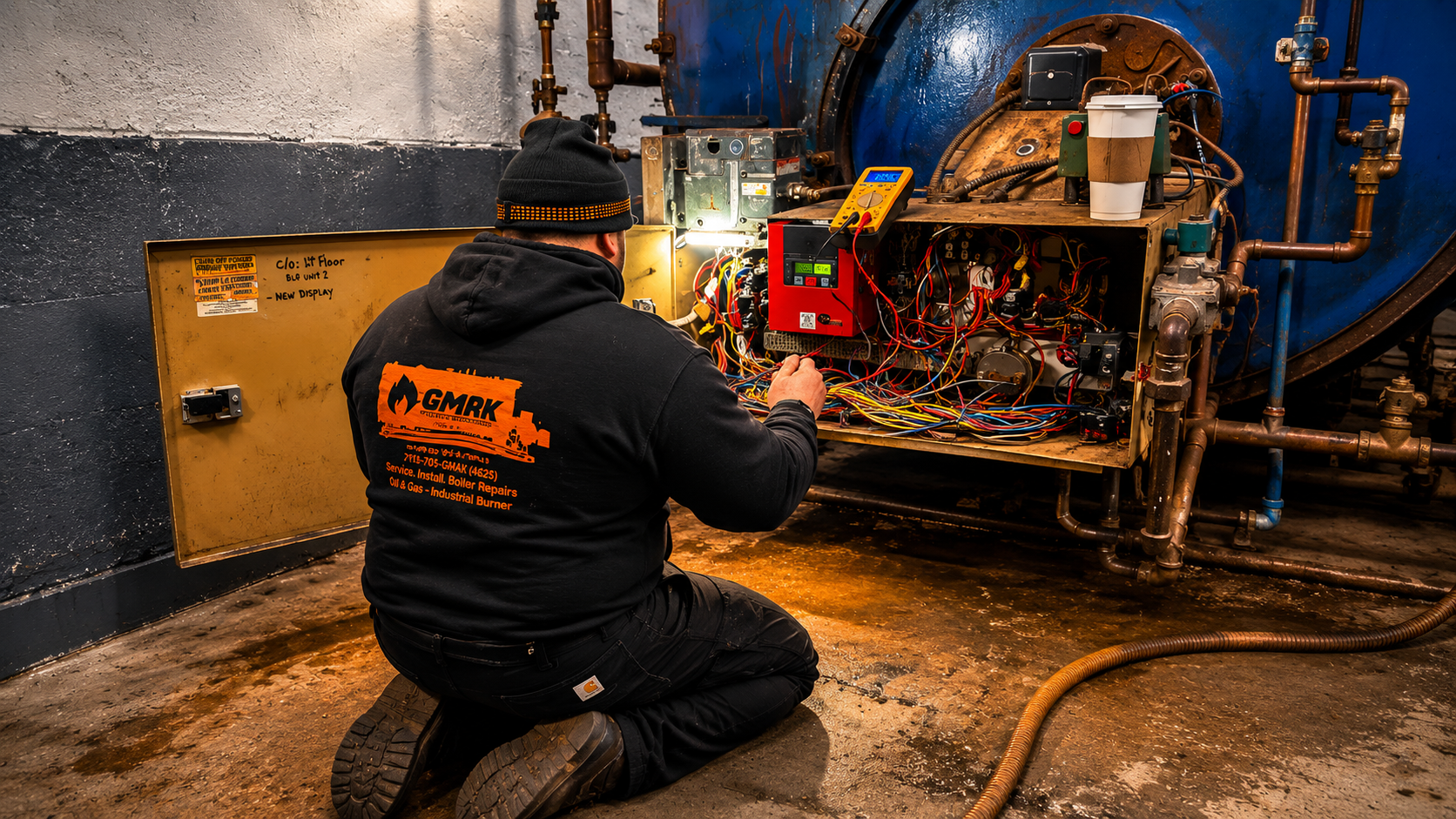
Regular inspection and maintenance of low water cutoffs are essential for reliability and compliance with NYC safety regulations. Mechanicalstyle cutoffs should be checked during every maintenance visit, ensuring they are free of debris, operate smoothly, and respond accurately to low water conditions. Probestyle cutoffs also require inspection according to manufacturer guidelines, which may include testing electrical components and cleaning contacts. GMAK Industrial Burner Services provides comprehensive inspection services, including testing, calibration, and adjustment of low water cutoffs to guarantee proper performance. These procedures help identify potential problems before they lead to dangerous situations, ensuring that the boiler system remains fully operational. In addition, regular maintenance promotes longer equipment life, reduces the frequency of emergency repairs, and enhances overall building safety. Maintaining detailed records of inspections also supports regulatory compliance and demonstrates a proactive approach to building management.
Consequences of Neglect
Neglecting low water cutoff inspections can have severe consequences. Without regular checks, these safety devices may fail to operate, leaving boilers vulnerable to overheating, metal warping, or complete failure. Repairs for boilers damaged due to low water conditions are often extensive and costly, sometimes requiring complete replacement of the unit. Moreover, malfunctioning boilers can disrupt heating services for tenants or employees, causing discomfort, operational delays, and potential liability issues. In extreme cases, failure of a low water cutoff can result in explosions or fires, endangering lives and property. GMAK Industrial Burner Services emphasizes that proactive inspection and maintenance are the most effective ways to prevent these risks. By prioritizing low water cutoff safety, property managers can ensure uninterrupted heating, reduce emergency repair costs, and maintain compliance with regulatory standards while protecting their investment in building infrastructure. Investing in proper care also promotes energy efficiency and reduces strain on other boiler components, helping the entire system function optimally for years.
Comments are closed